






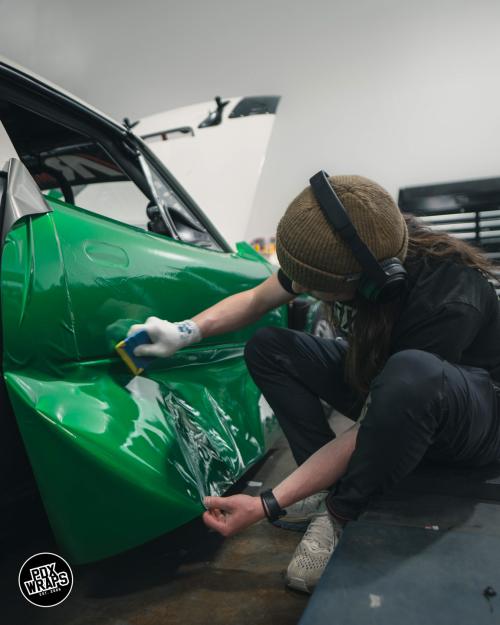

You put a lot into your vehicle, so it can be frustrating to find a new chip or scratch in the paint. Even when you are careful, rocks, road debris, bug splatter, and everyday driving can take a toll.
So, what is paint protection film? Often called PPF or clear bra, it is a transparent urethane film applied over your vehicle’s painted surfaces. It adds a layer of protection to your vehicle without covering the factory color or changing the overall look of your car.
At PDX Wraps, we install paint protection film for drivers who want to enjoy their vehicles without worrying about every mile on the road.
How PPF Protects Your Car Every Day
Most paint damage builds up over time as you drive to work, take road trips, park in crowded lots, and travel through construction zones.
PPF for cars helps protect the areas that take the most abuse. While it cannot prevent dents or damage from a major impact, it can reduce many of the chips, light scratches, and scuffs that would otherwise reach the paint.
Guards Against Rock Chips and Road Debris
Your front bumper, hood, mirrors, and fenders are constantly exposed to gravel and other debris kicked up from the road and other vehicles. PPF creates a durable barrier between those hazards and your factory paint.
The film takes the hit first, helping reduce the small chips that can leave the front of a vehicle looking worn before its time.
Resists Bug Splatter, Sap, and Bird Droppings
Bug splatter, bird droppings, tree sap, and other contaminants can be tough to remove and may stain or damage unprotected paint if left too long.
With PPF, these substances land on the film instead of directly on the paint. That gives you an added layer of protection and makes routine cleaning a little less stressful.
Helps Prevent Light Scratches and Scuffs
Rings near door handles, brushes against landscaping, and other minor contact can leave small marks. Automotive paint protection film helps guard against many of these light scratches and scuffs.
Some modern films also have self-healing properties that allow minor surface marks in the film to become less noticeable with heat. We can explain the features of the film available for your vehicle when you request a quote.
How PPF May Save You Money
Professional PPF requires an upfront investment, but so does repairing damaged paint. Touch-ups, paint correction, and repainting body panels can become expensive—especially when damage affects several parts of a vehicle.
Here are a few ways auto paint protection film may help you spend less over the life of your car.
Fewer Paint Repairs
PPF cannot stop every type of damage, but it can reduce the chips and scratches caused by normal road use. That may mean fewer trips to the body shop for paint touch-ups or panel repainting.
Rather than waiting until the damage is done, you are protecting the paint before it takes the hit.
Better Protection for the Factory Finish
Original paint matters, especially on a newer, luxury, performance, or specialty vehicle. By placing a removable protective layer over it, you can help preserve the finish underneath.
Well-maintained factory paint may also make your vehicle more appealing when it is time to sell or trade it in. PPF cannot guarantee a higher resale value, but it can help you present a vehicle that has been cared for.
Easier Routine Maintenance
PPF helps keep road grime and other contaminants from reaching the paint. Although you will still need to wash your car, the protected surfaces are generally easier to maintain.
That can reduce the amount of paint correction needed to keep the vehicle looking polished.
Protection That Fits Your Budget
The cost of paint protection film depends on the vehicle, the areas covered, the type of film selected, and the complexity of the installation. You do not necessarily have to protect the entire car.
Many customers begin with the front bumper, hood, fenders, and mirrors because those areas receive the most road exposure. We can help you compare coverage options and choose one that makes sense for the way you drive.
Is Paint Protection Film Worth It?
When customers ask us, “Is paint protection film worth it?” our answer depends on what they drive, how they use it, and what they want to protect.
PPF may be a good choice if you:
- Recently purchased a new vehicle
- Own a luxury, performance, classic, or specialty car
- Spend a lot of time driving on the highway
- Regularly travel on roads with loose gravel or debris
- Want to preserve the factory paint
- Plan to keep your vehicle for several years
- Prefer paint chip prevention over future repairs
A full-body installation will not fit every vehicle or budget. For many drivers, protecting the most vulnerable areas provides the right balance between coverage and cost. Our PPF installers can walk you through your options without pushing you toward more protection than you really need.
PPF vs. Other Vehicle Protection Options
Wax, ceramic coatings, vinyl wraps, and PPF can all protect your vehicle, but they do different jobs. Understanding those differences will help you figure out which option matches your goals.
PPF vs. Wax
Wax can give your vehicle a nice shine and some short-term protection, but it won’t stop rock chips or damage from road debris.
PPF is made to provide a stronger barrier against road debris, scratches, and everyday surface damage. Wax may improve the finish, but it does not replace paint protection film.
Paint Protection Film vs. Ceramic Coating
When comparing ceramic coating vs paint protection film, the main difference is physical protection.
A ceramic coating creates a slick, water-repellent surface that can improve gloss and make a vehicle easier to clean. It offers limited protection against contaminants and light surface marks, but it does not have the thickness needed to absorb rock impacts the way PPF can.
You do not always have to choose one or the other. PPF and ceramic coating can be used together when a driver wants both impact protection and easier maintenance.
PPF vs. Vinyl Wraps
Vinyl wraps are primarily used to change a vehicle’s color, add a custom design, or advertise a business. Although vinyl provides a light barrier over the paint, protection from rock chips and road damage is not its main purpose.
A clear PPF wrap is thicker and designed specifically to protect the finish underneath. Colored PPF can also provide protection while changing the vehicle’s appearance.
If you are deciding between a vinyl wrap, colored PPF, and clear PPF, tell us what you want the finished vehicle to look like and how much protection you need. We will help you understand the differences.
Where Is PPF Usually Installed?
PPF coverage can range from a few high-wear areas to the entire painted exterior. The right option often depends on your budget, driving habits, and how much of the vehicle you want to protect.
High-Impact Front Areas
The front of your car takes the biggest beating from rocks, bugs, and road debris. That’s why many drivers choose to protect these areas:
- Front bumper
- Hood
- Front fenders
- Side mirrors
A front-end package covers the areas most likely to get chipped or scratched without the cost of wrapping the entire vehicle.
Additional Wear Areas
PPF can also be installed on smaller surfaces that see frequent contact, including:
- Door edges
- Areas behind door handles
- Rocker panels
- Wheel arches
- Rear loading ledges
- Other painted high-contact areas
These smaller additions can help prevent the scratches and scuffs that occur during normal use.
Full-Body Protection
A full PPF coating—more accurately called full-body PPF—covers the vehicle’s painted panels for more complete protection. This option is popular with customers who own specialty vehicles or want to protect more than the front end.
Full-body coverage provides the most consistent finish and helps shield every covered panel from light scratches, stains, and road debris.
How Long Does Paint Protection Film Last?
A high-quality PPF car installation can protect your vehicle for years when the film is professionally installed and properly maintained.
Its lifespan can depend on:
- The type and quality of film
- Mileage and driving conditions
- Sun and weather exposure
- Whether the vehicle is garaged
- Washing and maintenance habits
- The quality of the original installation
We will explain the recommended care and applicable product warranty before you leave our shop. Proper maintenance helps prevent premature wear and keeps the film looking its best.
Why Professional PPF Installation Matters
PPF must follow the curves, edges, sensors, trim, and body lines of your vehicle. It takes more than simply placing film over the paint.
Our experienced PPF installers carefully clean and prepare the vehicle before installation. We then position the film for a precise fit, smooth finish, and clean edges. Proper preparation and application help prevent bubbles, misalignment, contamination, and edges that begin lifting too soon.
Professional installation also matters when it is time to remove or replace the film. When the right products and techniques are used, PPF is designed to be removed without permanently changing the factory finish underneath.
Protect Your Vehicle with PDX Wraps
You cannot control every loose rock, bug, or piece of road debris that comes toward your vehicle. You can, however, give the paint an extra layer of protection before those everyday hazards leave their mark.
Looking for the best PPF installers near me? PDX Wraps installs paint protection film for drivers in Sherwood, Portland, and surrounding areas. Whether you want to protect the front of your daily driver or explore full-body coverage for a specialty vehicle, we will help you find an option that fits your car and the way you use it.
Contact PDX Wraps today to learn more about PPF and request a quote.

